Built on Sollus nutrition science

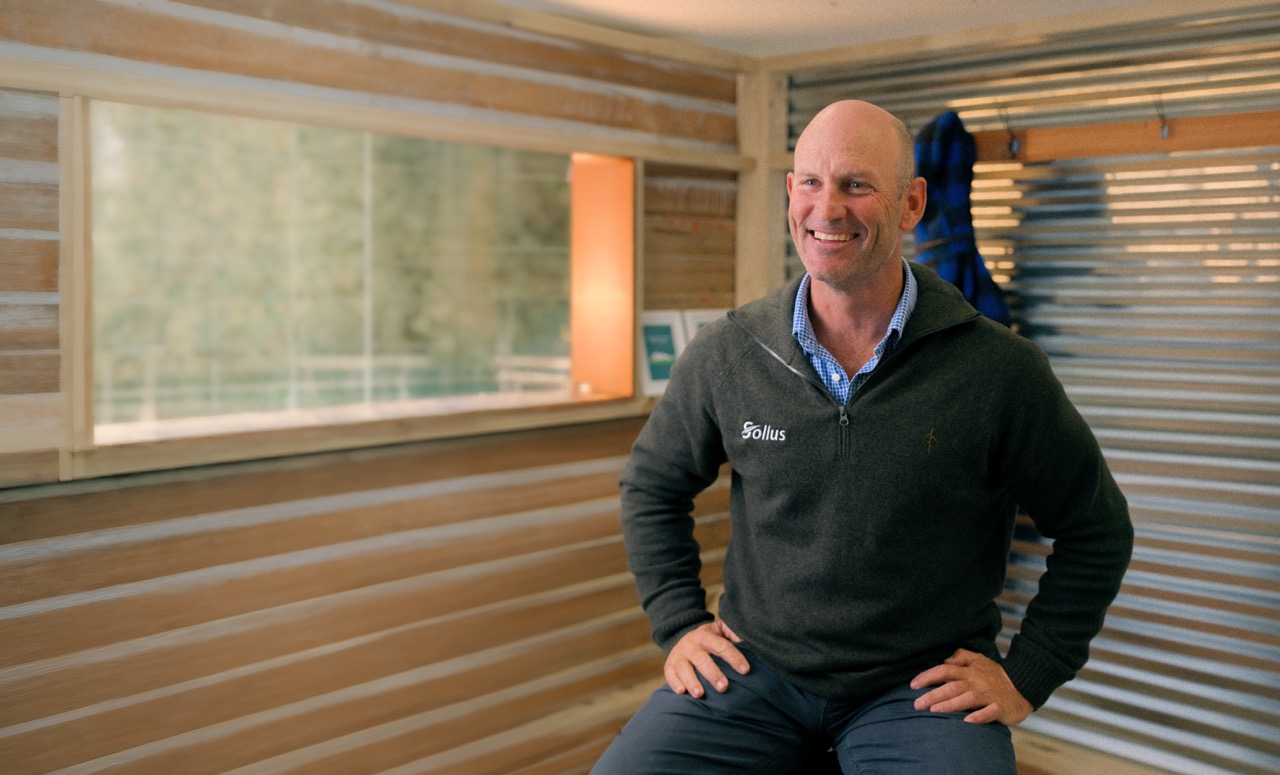
LactiSol™ Z is formulated by Sollus head nutritionist Dr Joe McGrath. Zinc has been one of the most effective tools against facial eczema since the 1970s. But when spore counts are really high, zinc alone is often not enough, and at therapeutic levels it can come with side effects.

That's why LactiSol™ Z pairs zinc with the right balance of micro minerals, vitamins and antioxidants, including vitamin E, and the removal of copper, to back up your herd's resistance.

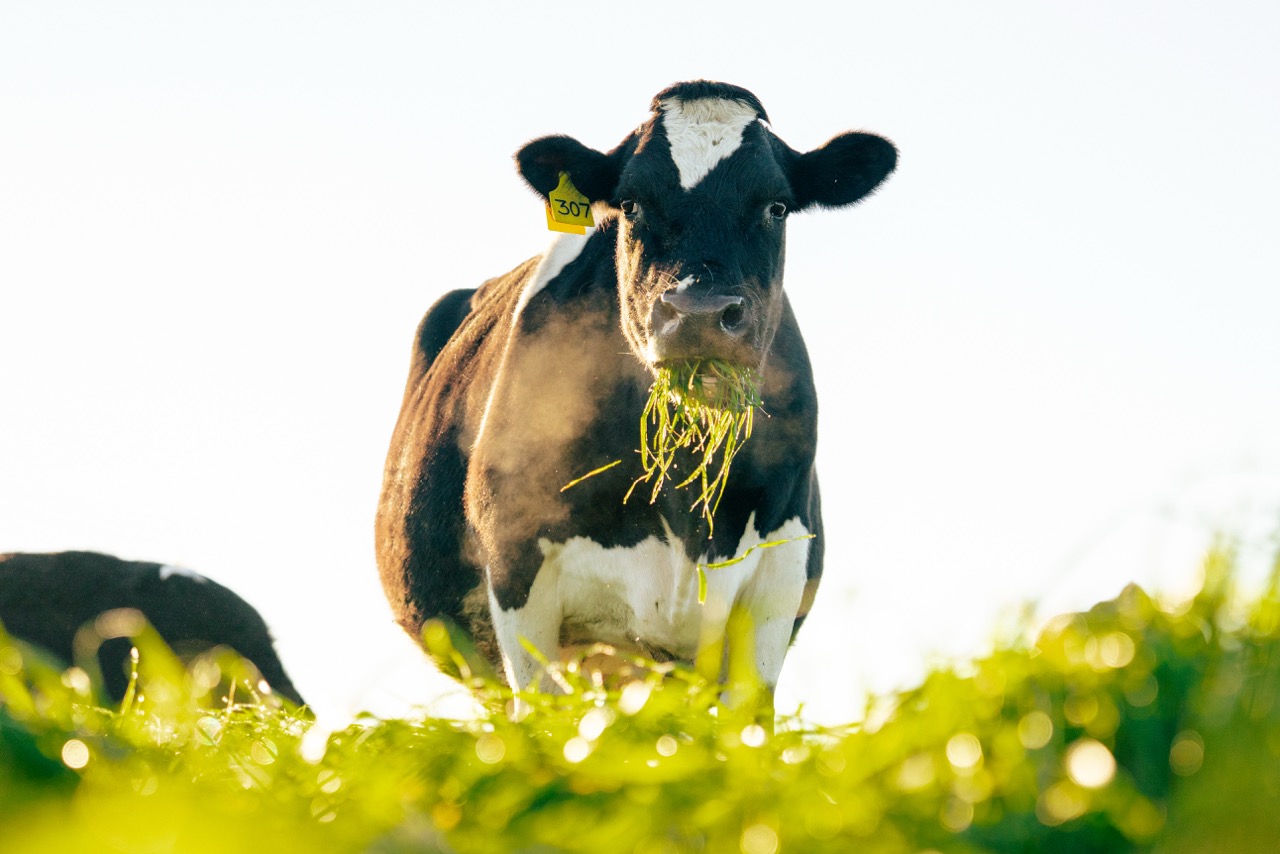
Jersey cow grazing in a New Zealand paddock
Formulated by Dr Joe McGrath
The cost of facial eczema

Facial eczema is hitting your herd, and your pocket, harder than you think.

Facial Eczema (FE) is often recognised by its visible signs: cows seeking shade, peeling skin, and tender udders. But the animals you can see suffering are only the tip of the iceberg.

Research published in the New Zealand Veterinary Journal found that the impact of FE on milk production across the national herd is significantly underestimated, particularly in cows showing no obvious clinical signs.1 Even after a single exposure to FE spores, milk production can begin to decline within days, with this particular study finding affected cows produced between 9% and 85% less milk within seven days of exposure.1

Because periods of high FE risk often coincide with the challenges of summer, these production losses are frequently attributed to factors such as feed quality, heat stress, or seasonal conditions rather than FE itself. But the real challenge is the one we can't see: the cows not showing symptoms of FE damage. It is estimated that for every cow showing clinical signs of Facial Eczema, at least ten more are likely to be affected by subclinical FE.2

See references at the bottom of this page.

9–85%

less milk produced by affected cows within seven days of a single exposure to FE spores.1

1:10

For every cow showing clinical signs, at least ten more are likely to be affected by subclinical FE.2

What's really going on with facial eczema?

The fungus grows in your pasture

A fungus grows on dead grass at the base of the sward and produces spores. It loves warm, wet weather, which is why FE hits hardest in late summer and autumn.

01
02

Your cows eat the spores

Cows ingest the spores while they graze. These travel across the rumen wall, into the bloodstream and on to the liver.

The spores release sporidesmin

Spores release a mycotoxin called sporidesmin

LactiSol™ Z steps in here: zinc reacts with sporidesmin, stabilising it.
03
04

Reactions in the liver cause damage

Sporedesmin release harmful compounds called Free radials (Reactive Oxidative Species, or ROS) which cause damage to the bile ducts & liver tissues. The damage is cumulative. And a moderate spore count over a few weeks can do as much harm as a high count over a few days.

Copper makes it worse

The presence of free copper ions (Cu2+) acts as a catalyst for the release of ROS4, exacerbating the problem. That's why we take the copper out of LactiSol™ Z.

No added copper in LactiSol™ Z
05
06

Waste builds up in the blood and skin

A healthy liver clears out the waste left over when cows digest green grass. A damaged liver can’t, so that waste builds up in the bile ducts, then overflows into the bloodstream.

Sometimes, the skin burns

The waste makes the cow sensitive to sunlight, and that's the peeling, sunburnt look you see.

07

The skin is the last thing to go.

By the time a cow burns, the liver damage was done weeks ago, and there’s very little you can do to fix it. And if one cow is peeling, theres another 10 who have sub clinical damage.

Find out more in our Info Guide
Sollus rep holding cow feed

How LactiSol™ Z protects your herd

Prevention is the key

Prevention is the key to dodging facial eczema. If you are noticing signs, it's too late, the damage is done.

LactiSol™ Z is the ambulance at the top of the cliff. The zinc in LactiSol™ Z reacts with the sporidesmin, stabilising it, and preventing the formation of the compounds that do the damage.

But LactiSol™ Z isn't just a zinc product. It still carries the vitamins and minerals your herd needs day to day, including vitamin A, vitamin E, biotin, cobalt, iodine, selenium, magnesium, salt and calcium. So you can protect against FE without your cows going short on the basics.

LactiSol™ Z's strengths

01

Zinc that blocks the toxin

02

No added copper, so you’re not amplifying the problem (copper catalyses the formation of the free radials that do the damage.)

03

Extra antioxidants for back-up

04

The minerals and vitamins your herd needs are still covered

Benefits of LactiSol™ Z

A multi-layered approach to defend against the effects of facial eczema, whilst keeping animal health & performance front of mind.

Elevated levels of zinc, to bind and inhibit the effects of spores

Includes anti-oxidants to help fight against oxidative stress

An easy swap mind season– same feed rate as your Lactisol choice, just a different formulation*.

Manufactured with robust quality control measures, to ensure you get what you pay for

*Feed rate of LactiSol Z may need to be adjusted to suit animal liveweight for effective protection. Discuss with your local sollus rep or LactiSol supplier.

Farmer story

Bill Burgess on LactiSol™ Z

Bill Burgess · Dairy farmer, Matamata

Bill and Michelle Burgess farm below the Kaimai Ranges near Matamata, and use Sollus minerals across their herd. Hear from Bill on how LactiSol™ Z fits into their facial eczema season.

Read Bill & Michelle's story →
Get started

Don't wait for the first burnt cow

By the time you see facial eczema, the damage is already done.

Talk to your local Sollus representative now about getting LactiSol™ Z into your herd before the spore counts climb.

References

  1. ZM Matthews, MG Collett, JC Marshall, AC Partridge & PJB Edwards. Effect of a one-off sporidesmin challenge on the milk production of dairy cows. New Zealand Veterinary Journal 66(5), 2018.
  2. DairyNZ, Facial eczema. dairynz.co.nz/animal/animal-health/facial-eczema
  3. Munday, R., Manns, E. and Mortimer, P., 1983. Effects of antioxidants on the toxicity of the facial eczema toxin, sporidesmin, in sheep. Proceedings of the N.Z. Society of Animal Production 1983, Vol. 43: 209-212.
  4. Munday, K. (1985). Studies on the mechanism of toxicity of the mycotoxin sporidesmin. IV. Inhibition by copper-chelating agents of the generation of superoxide radical by sporidesmin. J. Appl. Toxicol., 5: 69-73. doi.org/10.1002/jat.2550050206